
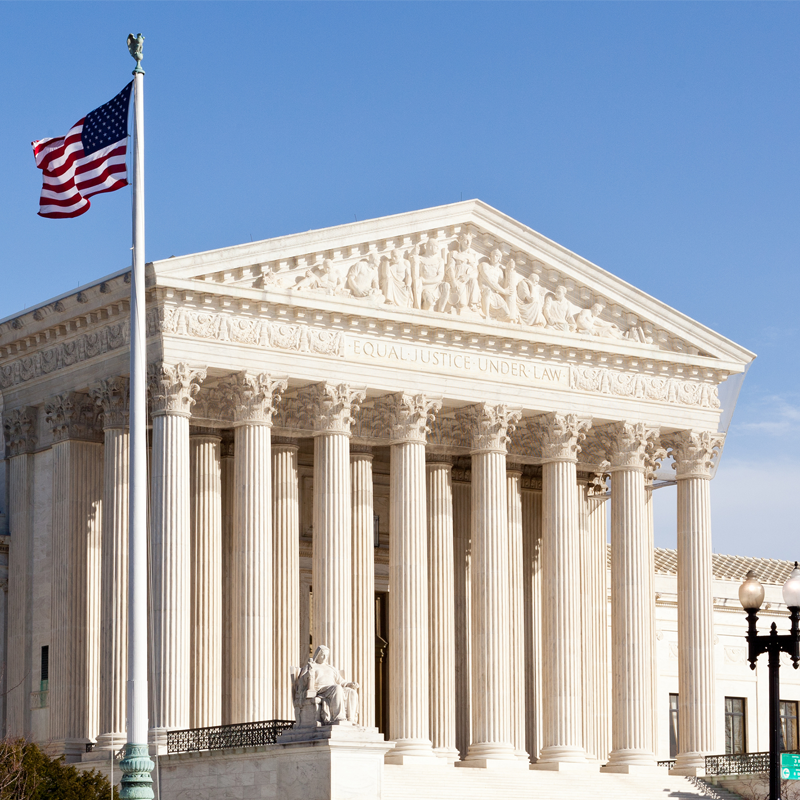
Landmark Victory for Tribal Gaming Sovereignty
In a decisive moment for Tribal rights, the United States Supreme Court has made a ruling that reinforces the sovereignty of Tribal gaming. Rejecting the challenge against the Indian Gaming Regulatory Act, the court’s decision in RunItOneTime LLC v. United States solidifies a crucial aspect of Native American self-determination.
Background of the Case
The dispute stemmed from an attempt by RunItOneTime LLC, using a legal team similar to those who previously contested the Indian Child Welfare Act in Haaland v. Brackeen, to question the constitutionality of the Indian Gaming Regulatory Act. This act is a cornerstone in affirming the rights of Native American tribes to operate gaming operations autonomously.
The Significance of the Ruling
This ruling not only upholds Tribal authority in gaming ventures but also acts as a reaffirmation of the broader principles of Tribal sovereignty and self-governance. It marks a pivotal moment in the ongoing efforts to protect and recognize the inherent rights of Native American tribes.
Read more about this significant ruling at the Native American Rights Fund website.
